 By
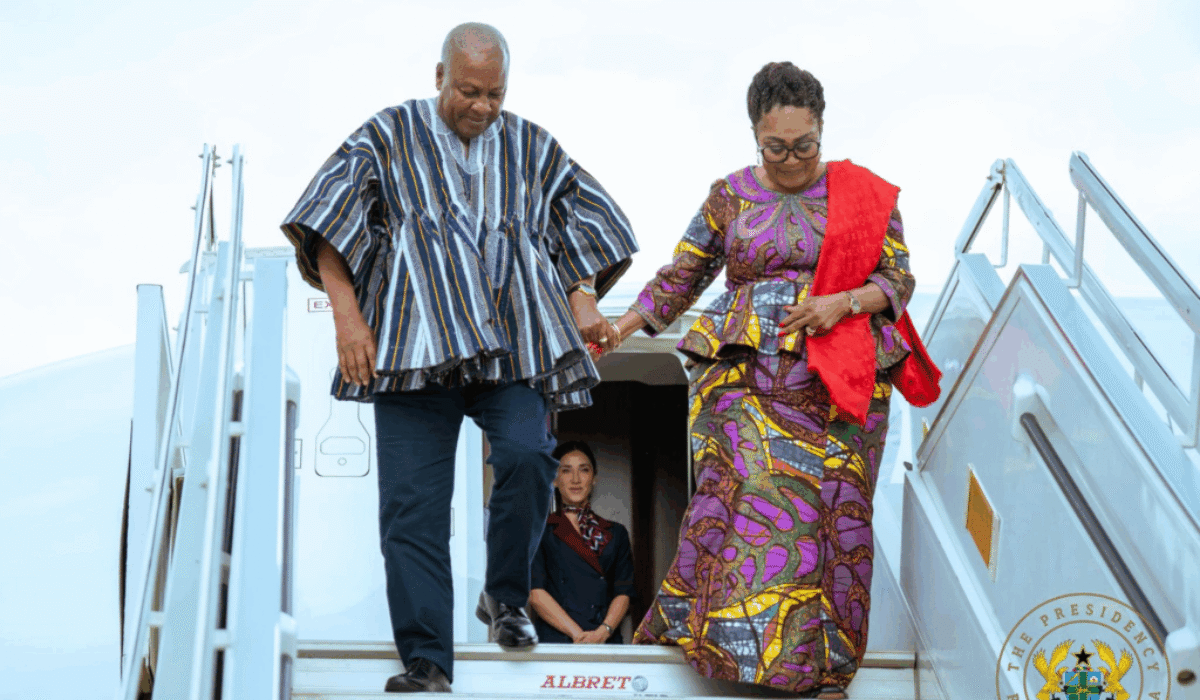
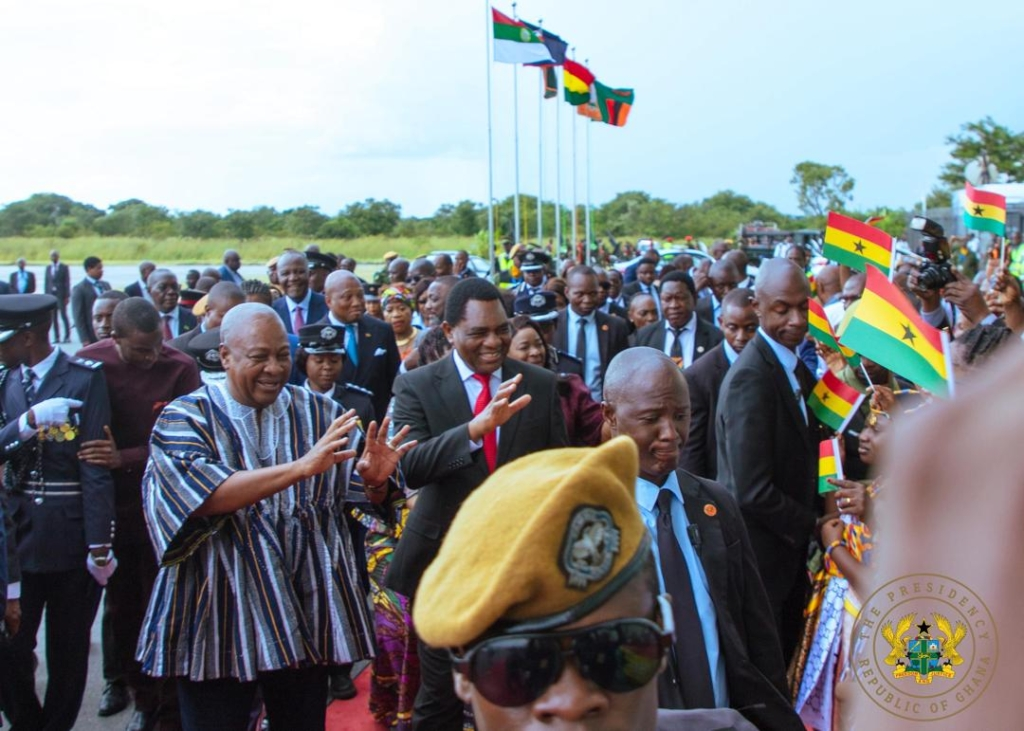
By President John Mahama has expressed surprise that his traditional Ghanaian attire only attracted wide attention after he visited Zambia, despite having worn it on global platforms such as the United Nations.
Speaking in an interview with JoyNews’ Maxwell Agbagba after the Ghana–Zambia Business Dialogue in Lusaka, President Mahama responded to questions about the fugu, also known as batakari or smock, which trended on social media during his visit.
“It’s called a smock in English, but in our language, some people call it Fugu, some call it Batakari,” the President explained.
The President revealed that he wore the same traditional attire when he addressed the United Nations last September, a moment that later drew global attention for his speech.
“I wore the smock to the United Nations, the highest platform in the world. I’m surprised that Zambians didn’t notice it then. Everybody is talking about that speech, and I was wearing a smock,” he said.
He said the renewed attention following comments on social media about his appearance during the Zambia visit has unexpectedly promoted Ghanaian smock weavers.
“By the power of social media, I’ve given them branding and marketing that they couldn’t ever have dreamed of,” President Mahama said, adding that online searches for “Fugu, Batakari, and Smock” had increased.
He said the outfit is a deeply rooted part of Ghana’s culture and history, traditionally worn by kings, royalty, and warriors.
“In the past it was worn by kings, royalty, and also warriors. When our warriors were going to war, they wore smocks,” he said, adding that the garment was believed to offer spiritual protection.
President Mahama highlighted the historical significance of the smock, noting that Ghana’s first President, Dr Kwame Nkrumah, wore it on the day the country gained independence.
“On the day independence was declared, our president, Kwame Nkrumah, was wearing a smock. He and all the freedom fighters were wearing smocks,” he said.
According to him, the smock has since become “an integral part of our cultural identity”.
He also disclosed that he exchanged gifts with Zambia’s President, Hakainde Hichilema, during the visit. President Mahama said he received a Zambian carving, while he presented President Hichilema with a fugu.
“I gave him a fugu. What I wore, I gave him one of that,” he said, noting that President Hichilema had expressed interest in ordering more to share with his fellow Zambians.
President Mahama said that promoting local industry is a key part of his leadership.
“One of the things that I have brought into my presidency is to promote the local garment industry. All my clothes are made in Ghana. They are sewn by Ghanaian designers,” he said.
He explained that his choice of clothing is also practical, given Ghana’s hot climate.
“Our part is warmer than yours, so we need to adapt to clothes that make us comfortable. It’s more appropriate for me to dress like this than to wear a suit and tie in the hot sun,” he said.
“The Fugu is appropriate because you see that the sleeves are very big. And then from under too, when the weather is hot, you are able to get ventilation from it,” he added.
President Mahama thanked Zambians for helping to promote the attire.
“I thank Zambians for marketing our Fugu for us,” he said, suggesting it could even become an export item under Ghana–Zambia trade relations.
“We’ll export some fugu here and create a new fashion trend.”