 By
By For years, kidney patients in the Nandom enclave have endured a gruelling routine just to stay alive, waking up at 1:00 AM to catch a transit bus to Wa for a single 3-hour dialysis session.
That torturous journey is finally coming to an end, but it brings a new set of challenges for the region’s healthcare system.
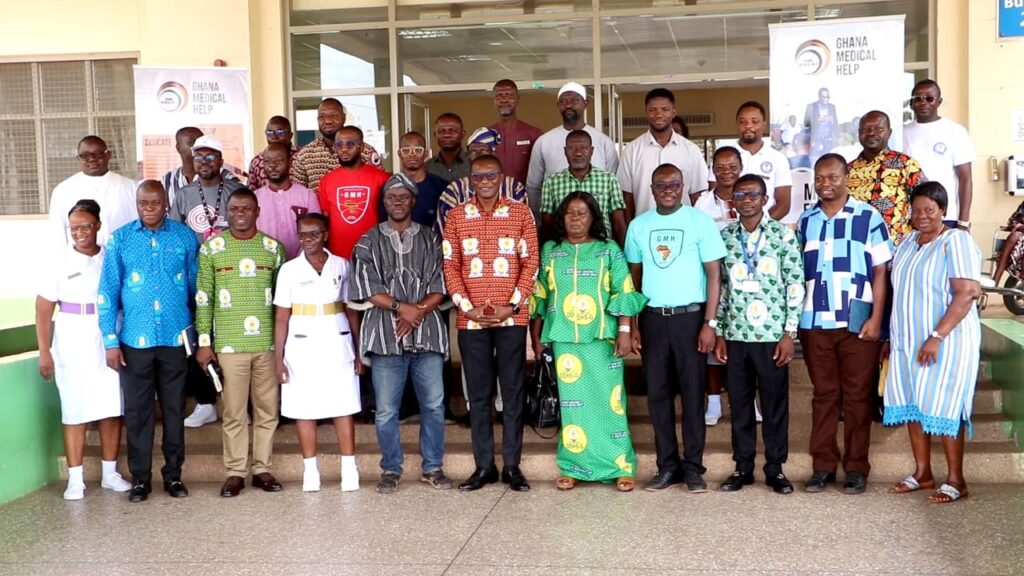
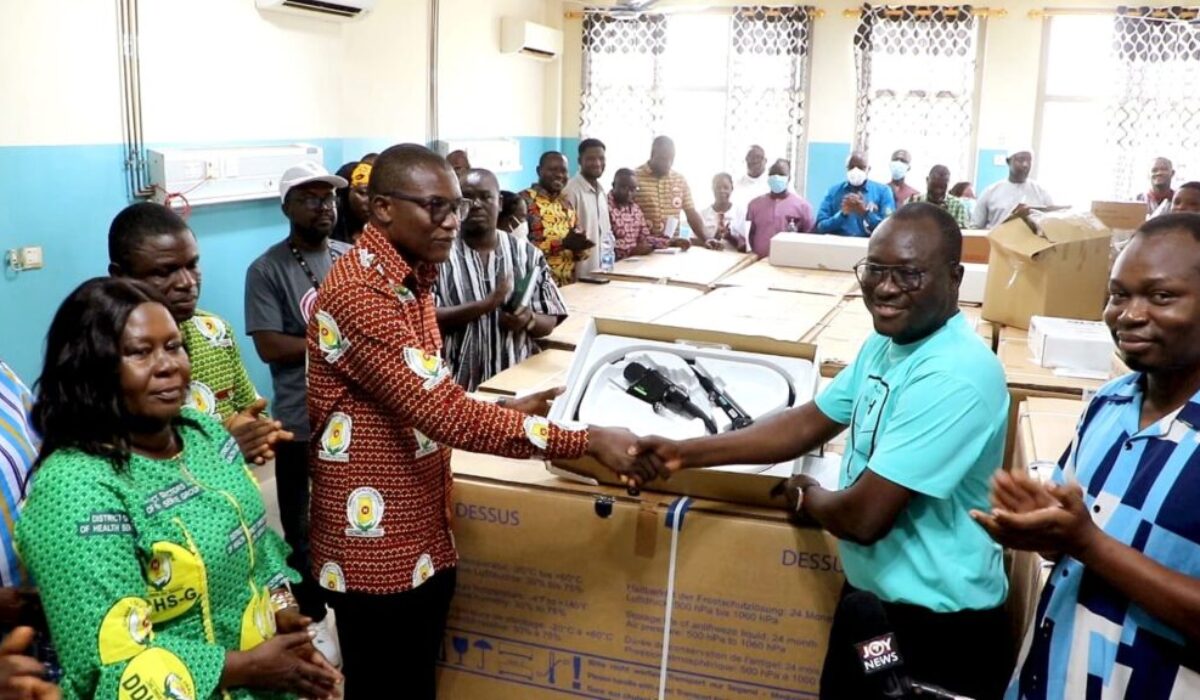
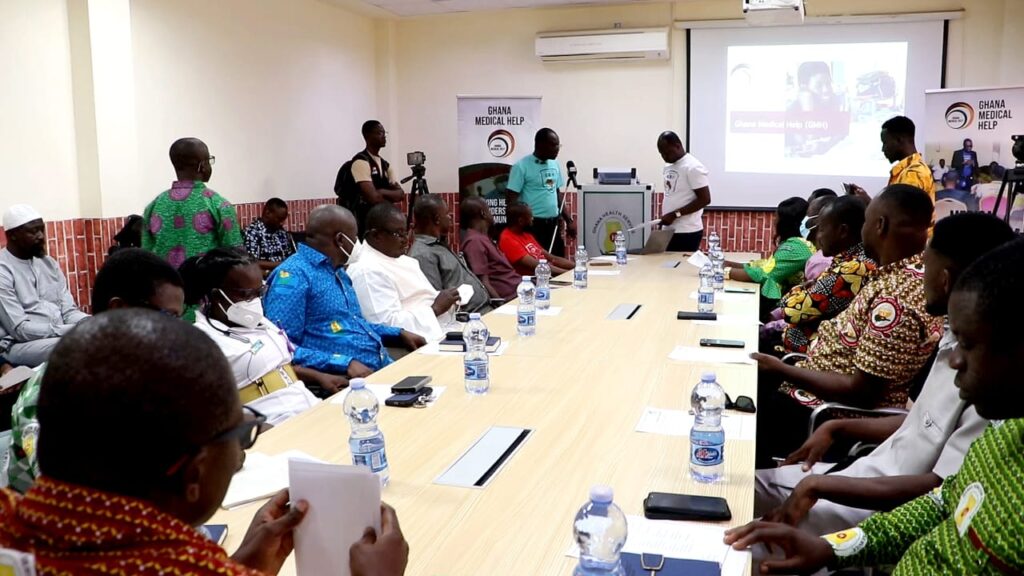
In a massive intervention to bridge the specialist healthcare gap, the Canadian-Ghanaian charity, Ghana Medical Help (GMH), has officially presented 17 state-of-the-art Fresenius 5008 dialysis machines and specialised imaging systems to hospitals in the Upper West and Upper East Regions.
However, as the region celebrates this unprecedented relief, hospital administrators are sounding a new alarm: the life-saving equipment risks sitting idle without an urgent influx of medical personnel and local funding.
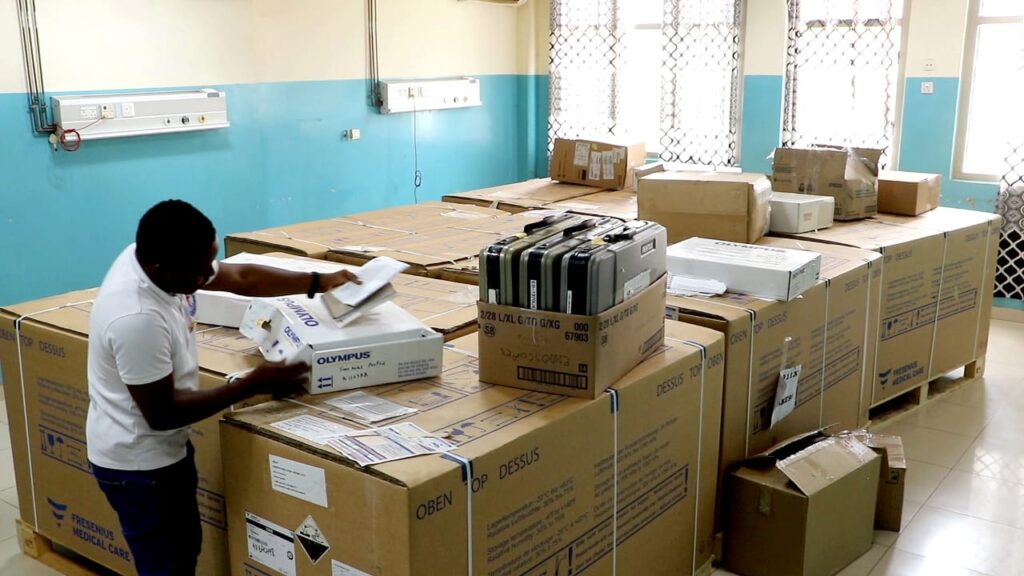
The Upper West Regional Hospital, which received seven new machines alongside endoscopy, colonoscopy, and bronchoscopy systems, and St. Theresa’s Catholic Hospital in Nandom, which received three dialysis units, are the primary local beneficiaries.
Acting Medical Superintendent of St. Theresa’s Catholic Hospital, Dr. Mark Padmore Awudi, revealed the staggering human cost that prompted the intervention.
Institutional data indicates that 40 percent of all dialysis patients travelling to the Regional Hospital in Wa originate from the Nandom enclave.
“Apart from the financial burden they face, they have to wake up very early at dawn, sometimes at 1:00 AM, to catch the Metro Mass transit bus just to receive dialysis at Wa and then return,” Dr. Awudi disclosed.
He noted that the new centre will drastically reduce waiting times and save patients, including children, from developing permanent chronic kidney disease due to delayed interventions.
Issahaque Suleman, Special Assistant to the Paramount Chief of the Nandom Traditional Area, Naa Professor Edmund Mwinyem Chiiri VIII, echoed this relief.
He pointed out that the new facility will not only serve local communities like Lambussie and Lawra but will also provide cross-border medical relief to patients travelling from southern Burkina Faso.
But this medical breakthrough has exposed a critical vulnerability. Acting Medical Director of the Upper West Regional Hospital, Dr. Philip K.K. Baabiineh, stated that the current dialysis unit is forced to operate 24 hours a day, causing severe staff burnout.
“If you have 10, 15, 20 machines, and you currently have only two biomedical engineers, we will not be able to service them and maintain them very well,” Dr. Baabiineh cautioned.
He issued a passionate appeal to clinicians, biomedical engineers, and specialised nurses across the country to accept postings to the region, actively dispelling the myth that the North is a place of hardship.
The crisis is compounded by alarming trends in renal conditions nationwide. Upper West Regional Director of Health Service, Dr. Josephat Nyuzaghl, underscored the staggering local demand, pointing out that kidney disease has become an inescapable threat to families.
“In this country, kidney disease is becoming a problem. It is estimated that 10 out of every 100 persons will develop some form of kidney disease in their lifetime, with acute kidney failure affecting close to 21 percent of individuals,” Dr. Nyuzaghl revealed.
Dr. Nyuzaghl recalled the devastating financial toll the disease took before the National Health Insurance Scheme began covering dialysis treatments, noting that he knew “people who eventually had to sell virtually every property that they had to be able to afford dialysis services.”
While welcoming the massive relief, he noted that the equipment serves as a powerful magnet to attract medical specialists who previously cited a lack of working tools as a reason to decline rural postings.
Receiving the items, Dr. Nyuzaghl firmly reminded the beneficiary hospitals that the ultimate utility of the project rests entirely on local maintenance.
“We have a duty and a responsibility to ensure that this equipment is well maintained so that they can serve the people for a very long period of time. We must take steps to immediately operationalize these centers, particularly for Nandom, to ensure that community members directly benefit from these items,” Dr. Nyuzaghl commanded.
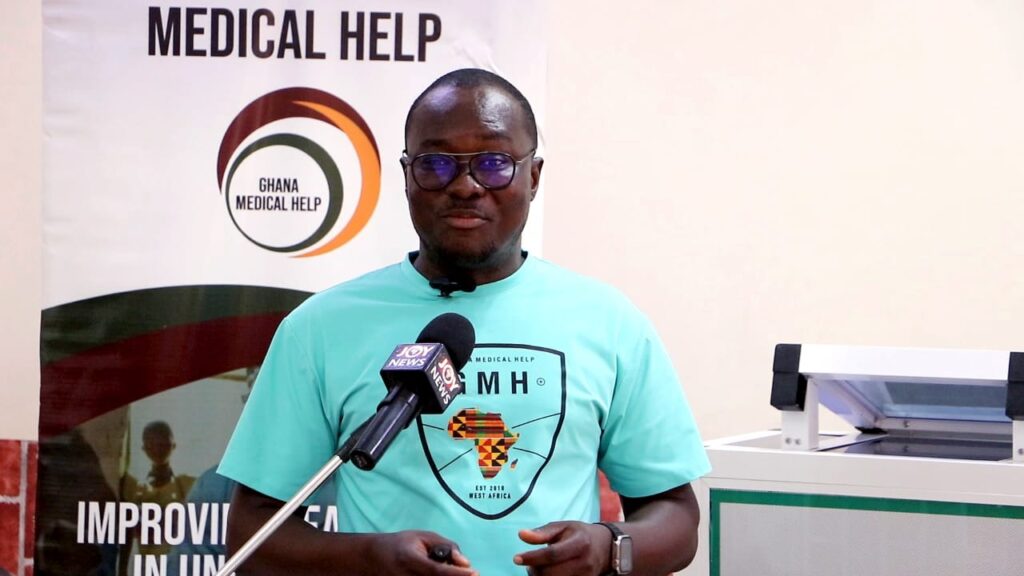
Country Director and Co-Founder of GMH, Dr. Dominic Akaateba, stressed in an exclusive interview that true sustainability goes beyond foreign aid, pointing out a troubling trend of donor fatigue globally.
“There is donor fatigue because we don’t use things for their intended purposes. The sad bit of it is that somebody gives and I could have taken all of this and established a private dialysis centre or opened a new hospital because that is the Black man’s thought. But we chose to bring it where it is needed most,” Dr. Akaateba stated.
Dr. Akaateba challenged local health authorities to look inward rather than constantly deflecting responsibility to national politicians.
“We always say politicians are corrupt, but the corruption starts from us. The dialysis nurse at the centre will demand a five-cedi ‘ward fund’ from a patient and threaten not to put them on the machine if they don’t pay. Why? We must do our normal work the normal way, with a human-centred face, just as our international donors have done,” Dr. Akaateba urged.
Delivering a critical message directly on behalf of the international donors, including Island Health, Mike Porter and the Potter Family, and Canadian support groups, Dr. Akaateba conveyed that this modern equipment was given entirely for free and completely from a place of deep goodwill.
“Our donors want you to know that this is done for free and willingly from their hearts. They don’t even know who Dominic is, and they have never seen our hospitals; they only see pictures and videos. They gave this out without being put under duress. Their only hope and wish is that we utilize these machines properly so that the poor, ordinary patients can truly be the end beneficiaries of their sacrifice.”
Furthermore, while GMH and international partners like Island Health and the Mike Potter family have fully funded the equipment and shipping from Canada, the beneficiary hospitals face a steep financial climb to operationalise the centres.
Dr. Awudi issued an urgent appeal to corporate agencies and individuals to help fund the remaining logistics and patient beds needed to open the Nandom centre by September.
As the Upper West Region stands on the brink of becoming a major specialist healthcare hub, the message from medical leaders is clear: the machines have arrived, but the true test of saving lives now rests on the shoulders of the government, local philanthropists, and healthcare professionals willing to serve.