 By
By The Pro Vice-Chancellor of the University of Media, Arts and Communication (UniMAC), Prof Winston Kwame Abroampa, has called for a fundamental rethink of journalism education, warning that the rise of artificial intelligence and misinformation demands a new generation of journalists equipped with advanced digital skills and strong ethical values.
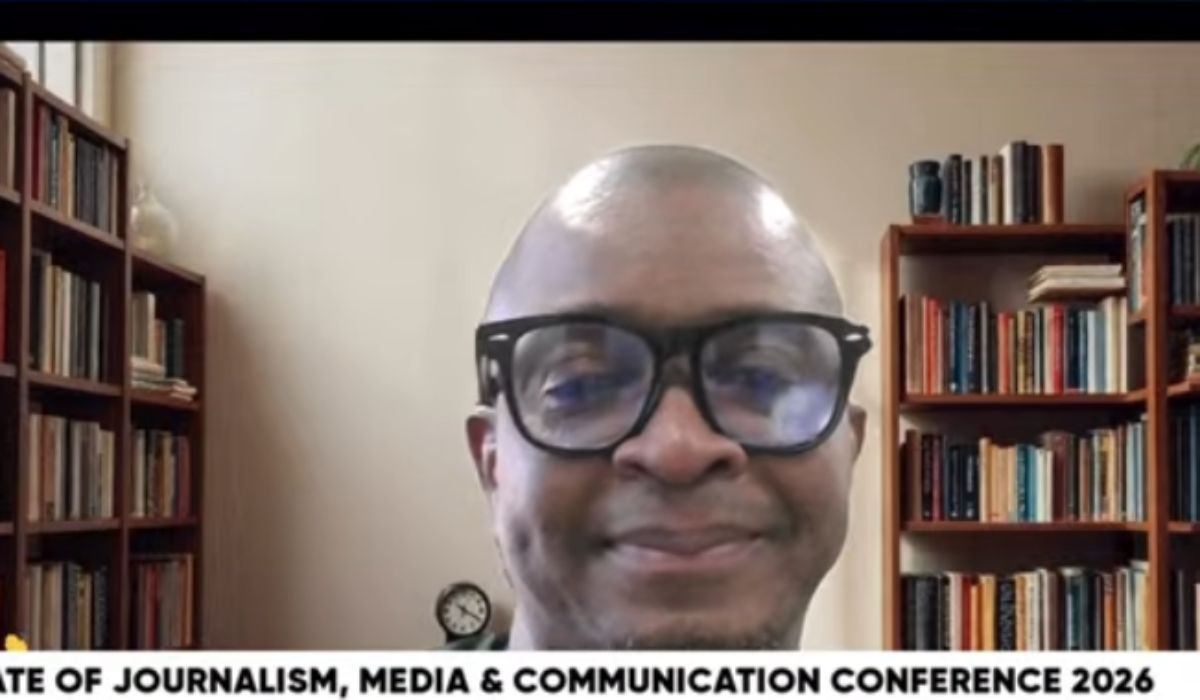
Delivering the welcome address at the opening of the inaugural State of Journalism, Media and Communication Conference (SJMCC 2026) on Wednesday, July 15, Prof Abroampa said journalism was entering an era where traditional reporting skills alone would no longer be enough.
He noted that universities must prepare graduates who are capable of navigating rapidly evolving technologies while remaining committed to truth and public accountability.
“Journalism has often been described as the first draft of history. Today, it must become much more: a guardian of truth in an age of synthetic content, a defender of evidence in an era of misinformation, and a bridge between polarised communities, while continuing to hold power accountable and remaining accountable itself.”
According to him, journalism schools can no longer rely solely on conventional training methods but must redesign their programmes to meet the demands of a changing profession.
“Our students now require skills that are beyond traditional reporting. Data journalism, computational thinking, multimedia storytelling, platform governance, and the ethical dilemmas created by artificial intelligence.”
Professor Abroampa said future journalists must be equipped to adapt to a profession being reshaped by emerging technologies.
“They must become adaptable lifelong learners capable of thriving in professions that continue to evolve.”
He urged universities to respond by modernising their curricula, strengthening partnerships with the media industry, investing in digital infrastructure, and promoting interdisciplinary learning.
“This requires universities to rethink curricula, strengthen industry partnerships, invest in digital infrastructure, and encourage interdisciplinary collaboration. The University of Media Arts and Communication remains committed to this transformation.”
The Pro Vice-Chancellor stressed that the responsibility of protecting the integrity of information extends beyond newsrooms.
“This responsibility cannot rest with journalists alone.”
He said universities must produce ethically grounded professionals, researchers must generate evidence to inform policy, governments must create enabling regulatory environments, and technology companies must acknowledge that innovation comes with social responsibility.
According to him, protecting the integrity of our information ecosystem is a shared responsibility.
Professor Abroampa expressed confidence that discussions at the two-day conference would contribute to shaping policies and strengthening journalism practice in an increasingly complex media environment.
He concluded with a reminder that the future of journalism would ultimately be determined by the choices made today.
“The future of journalism will not simply happen to us. It will be shaped by the decisions we make today. May this conference become one of those defining moments.”