 By
By A viral claim about romance scam extraditions is spreading rapidly on TikTok and in broadcast commentary. It alleges that the United States Attorney General told the BBC that Ghana’s former government, under President Nana Akufo-Addo, refused to extradite Ghanaians accused of romance scams unless the United States first apologised and paid compensation to Africa for the transatlantic slave trade.
The story has gained traction because it touches two emotive subjects at once: cyber fraud and historical injustice.
Early Morning Info has examined the available evidence. We found no record that any such statement was ever made, and the documented facts contradict the claim’s central premise. Here is what we can verify.
The viral TikTok video
The claim has been widely shared through a TikTok video, which you can watch below. We are showing it so readers can see exactly what is being alleged before reviewing the facts.
@trouble_carlos6 This page is a space for discussing trending issues and advocating for the voiceless, with a strict stance against violence, bullying, and discrimination.#ukghanatiktok🇬🇭🇬🇭🇬🇧🇬🇧 #troublefunnymoodactivestill #ghanafuodotcom
What the claim says
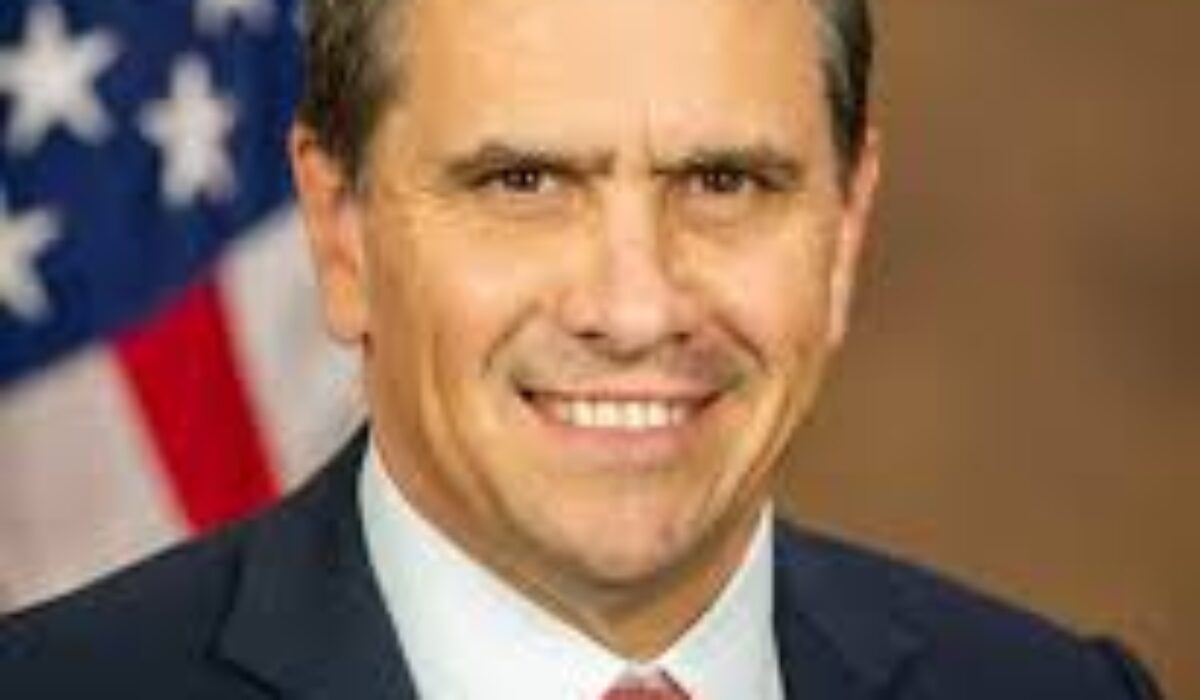
According to the video, US Attorney General Todd Blanche said in a BBC interview that the previous Ghanaian administration told American authorities it could not support romance scam extraditions unless the US government apologised for slavery and compensated Africa.
No trace of the alleged statement
Todd Blanche is currently the acting US Attorney General, and he appeared before the Senate Judiciary Committee on Wednesday, July 15, 2026, for his confirmation hearing. Extensive coverage of that hearing by NPR, CBS News and other major outlets shows senators questioned him about domestic matters, including the Justice Department’s handling of the Jeffrey Epstein files.
None of the coverage records any comment about Ghana, extraditions or slavery reparations.
No BBC article or broadcast containing the alleged quote could be located. A statement of this magnitude from America’s chief law enforcement officer, accusing a former Ghanaian president of conditioning criminal extraditions on slavery reparations, would have been reported worldwide within hours. No credible outlet has carried it.
The romance scam extraditions actually happened
The video’s premise is that romance scam extraditions from Ghana were blocked. The public record shows the opposite. In August 2025, Ghana extradited three suspects, Isaac Oduro Boateng, Inusah Ahmed and Derrick Van Yeboah, to face charges in New York over a fraud network the US Department of Justice says stole more than 100 million dollars from victims, many of them elderly Americans.
The FBI publicly thanked Ghanaian authorities for their cooperation, a clear sign of active collaboration rather than obstruction.
Earlier cases during the Akufo-Addo administration also proceeded, with Ghanaian nationals extradited to face romance fraud charges in Arizona and Ohio, according to Justice Department records. More recently, on July 2, 2026, the High Court in Accra ordered the extradition of social media personality Frederick Kumi, known as Abu Trica, over an alleged 8 million dollar romance scam.
Where the slavery reparations element comes from
Ghana has indeed been at the centre of a genuine international campaign on slavery reparations. In March 2026, the United Nations passed a resolution recognising the transatlantic slave trade as a grave crime against humanity, and in June 2026 a conference in Accra urged former slave-trading nations to offer formal apologies and reparations. That campaign is real, but it is a diplomatic initiative entirely separate from criminal extradition cases, and no evidence links it to any of the romance scam extraditions.
Verdict: False
There is no evidence the US Attorney General ever made the alleged statement, and Ghana has repeatedly carried out romance scam extraditions to the United States, both under the current administration and the previous one. The viral TikTok claim appears to combine two unrelated true stories, the extradition of Ghanaian fraud suspects and Ghana’s slavery reparations campaign, into a fabricated quote.
Readers are encouraged to verify sensational political claims against official records of the US Department of Justice and reporting from established news organisations before sharing. For verified reporting on Ghanaian politics and current affairs, visit our News section or the Early Morning Info homepage.