 By
By The Ejura Sekyeredumasi Municipal Assembly in the Ashanti region has distributed income-generating items, educational assistance and medical support to 136 persons with disabilities under the District Assemblies Common Fund allocation for 2025.
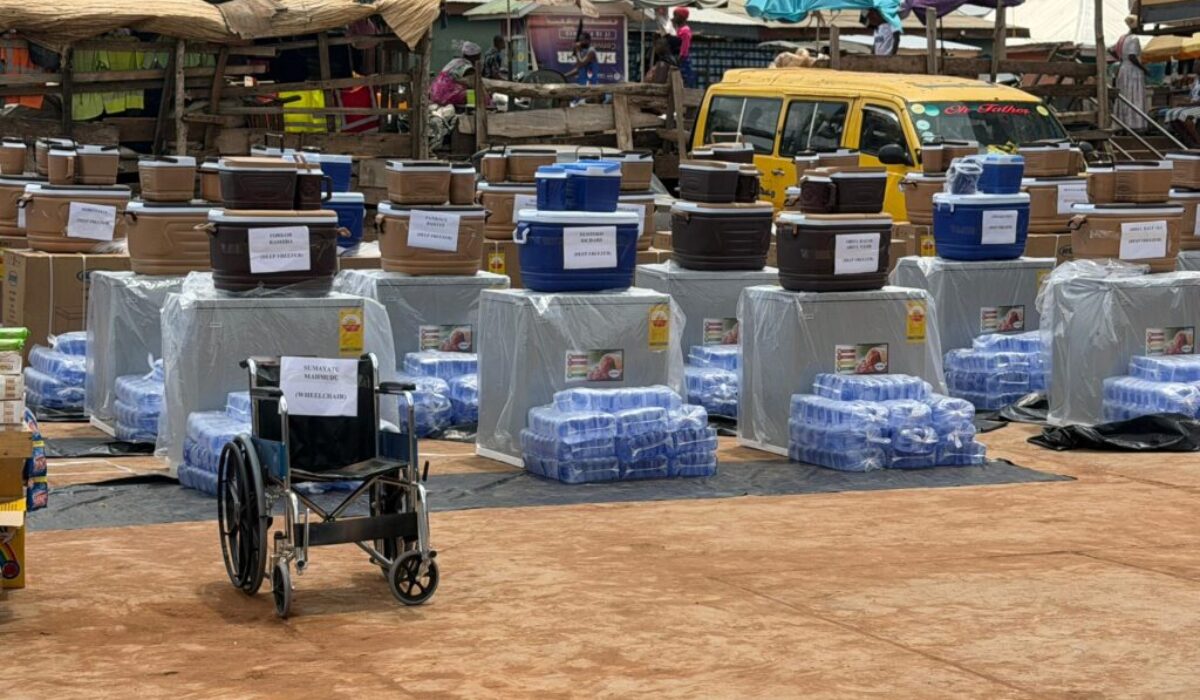
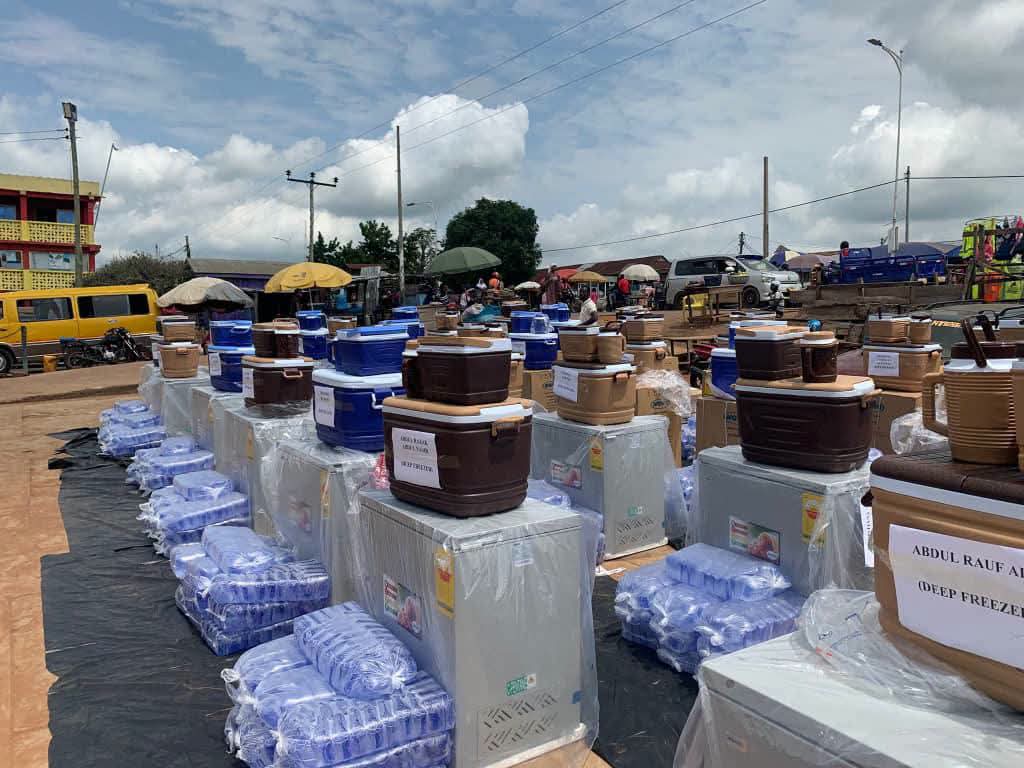
The support package, financed through the three per cent share of the District Assemblies Common Fund reserved for persons with disabilities, included deep freezers, startup capital, educational assistance, medical support and assistive devices aimed at helping beneficiaries achieve greater economic independence.
Municipal Chief Executive Rafiu Adam Seidu said 81 beneficiaries received support during the latest disbursement exercise.
“The 81 beneficiaries received various items as startup capital so that they can run and expand their businesses,” he said.
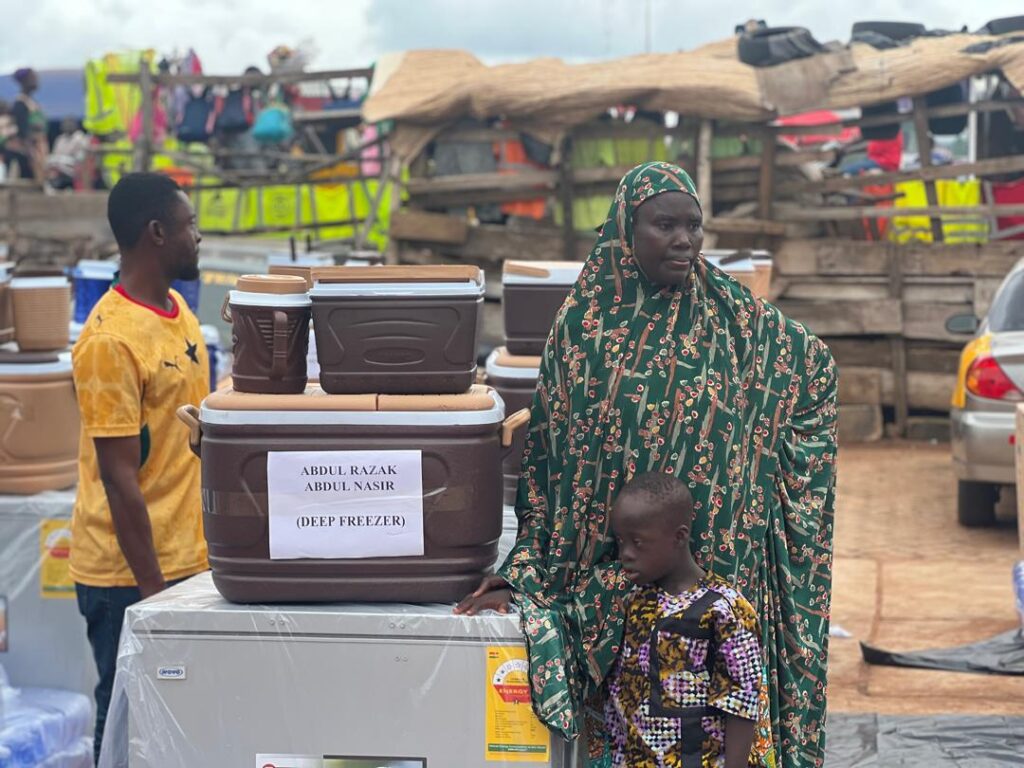
According to him, 34 beneficiaries received deep freezers, coolers and sachet water to begin or expand trading activities, while 11 others received assorted provisions to strengthen existing businesses.
He said one person received a wheelchair, 15 beneficiaries obtained cash as startup capital for new ventures, 14 students received support for school fees and six people were assisted with medical expenses.
Mr Seidu explained that an earlier phase of the programme in August last year benefited 55 people, including recipients of deep freezers, provisions, food items, educational support and medical assistance.
“If you combine the total number of beneficiaries for the 2025 Common Fund, 136 people with disabilities benefited from the programme,” he said.
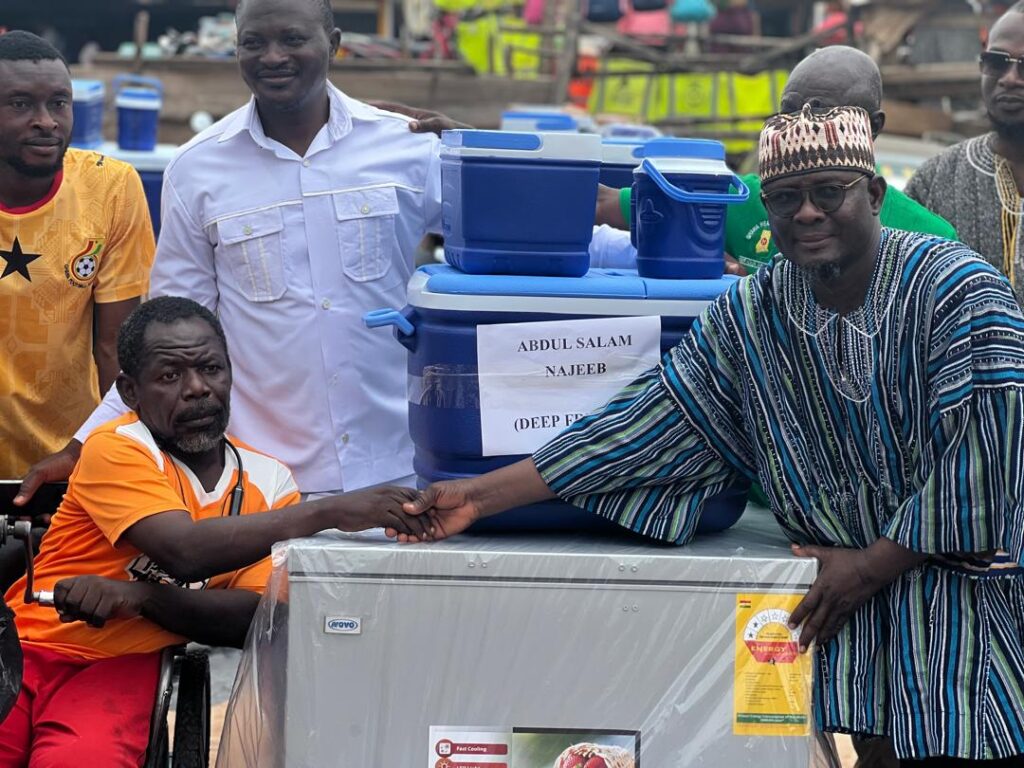
The MCE said financial constraints initially affected implementation plans, prompting the assembly to seek additional support from the area’s Member of Parliament, Alhaji Mohammed Bawah Braimah.
“He committed part of his share of the Common Fund, which enabled us to procure additional items for the beneficiaries,” Mr Seidu said.
He urged recipients to use the assistance to establish sustainable sources of income.
“Our advice to the beneficiaries is that they should use these economic resources to set up sustainable businesses so that they can feed themselves, support their families and create opportunities for others,” he said.
Mr Seidu said the municipality has over 900 registered persons with disabilities, some of whom relied on street begging for survival.
“We want to take these people from the streets to become economically viable, establish businesses and create employment opportunities for others,” he added.
The Municipal Director of Social Welfare, Abdul Shakur Mutawakil, said the programme focused primarily on income generation and household support.
“We supported them with various items to start up their businesses,” he said.
Beyond income generation, the assembly provided educational assistance to students with disabilities, including support for laptops and learning materials, and funded surgeries and other medical interventions for beneficiaries with health conditions.
Mr Mutawakil said 15 beneficiaries also received cash support of 3,000 Ghana cedis each as startup capital.
According to him, the income-generation interventions alone cost more than 230,000 Ghana cedis, while educational and medical support amounted to 18,500 and 19,800 Ghana cedis respectively.
He described the event as successful, noting that the Municipal Chief Executive, Member of Parliament, traditional leaders and religious figures attended the programme.
“The beneficiaries were very happy for what we did for them,” he said.
Mr Mutawakil said the Social Welfare Department would undertake monitoring visits within three months to assess how beneficiaries were using the items.
“Based on the assessment, it will inform whether to increase the support we provide in future or to remove some beneficiaries from the system,” he said.
The Social Welfare Director explained that some beneficiaries were represented by caregivers, particularly children and persons whose conditions prevented them from managing businesses independently.
“What the law allows us to do is to support their caregivers in such situations,” he said.
For many beneficiaries, the support represented an opportunity to build sustainable livelihoods and reduce dependence on others.
A resident of Sekyeredumasi, Maame Ama Gyasiwaa, said the assorted provisions she received would significantly expand her existing shop.
“Although I am already selling some items, what I have been given will help me a lot because it is substantial,” she said.
She explained that the support would enable her to care for her ageing parents after losing her siblings.
“I am going to stock my shop with the things that have been given to me and use the proceeds to support my family. I will not sell the items themselves; I will use them to work so that, by God’s grace, the business will grow,” she said.
Another beneficiary, Naomi Owusu, said the flour, cooking oil and sugar she received would allow her to establish a small enterprise to support her children.
“I am not going to beg again because I have been given flour, oil and sugar to work with,” the 51-year-old said.
Naomi said she intended to use the items to prepare and sell food products to generate income.
“These things will help me in many ways because I was not working before. I will use them to earn money and take care of my children so that they can continue their education,” she added.
The programme forms part of the Ejura Sekyeredumasi Municipal Assembly’s efforts to strengthen social protection and economic inclusion through targeted investments in enterprise development, education and healthcare for persons with disabilities.